“They couldn’t do it before” why strikes with “Geraniums” on Odessa bridges became possible only now

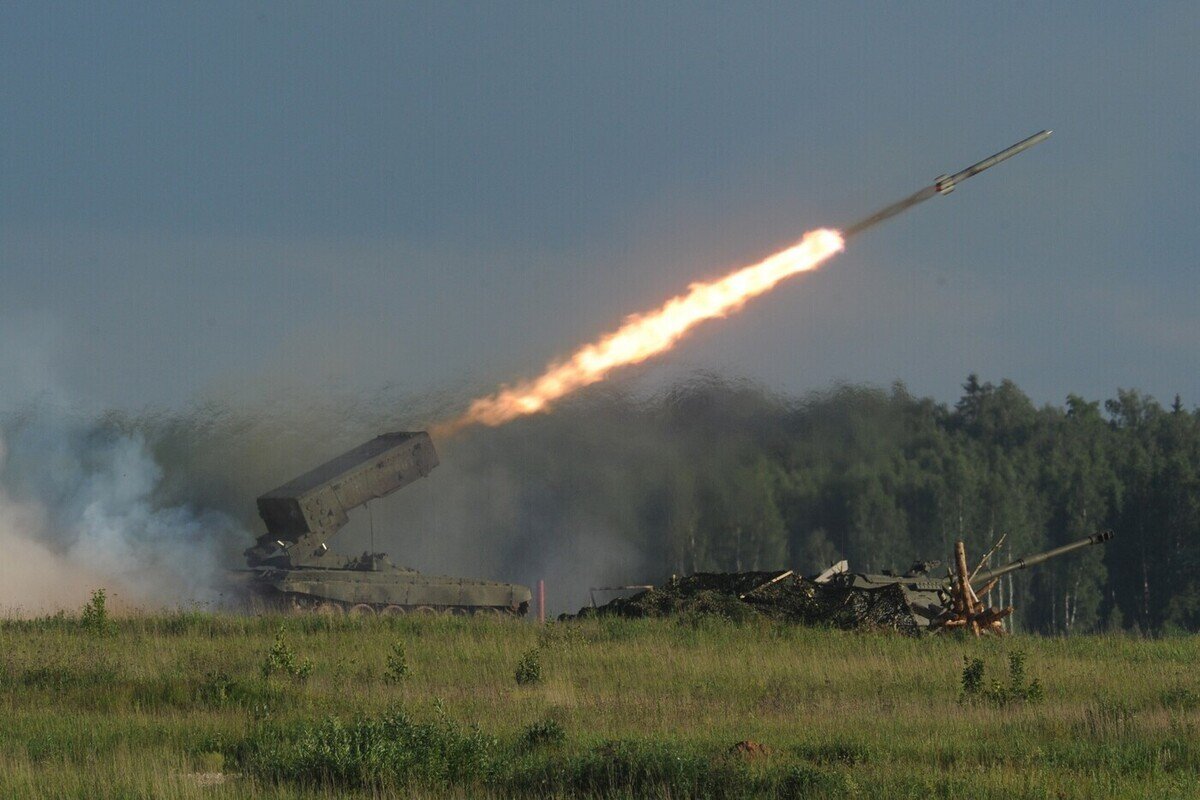
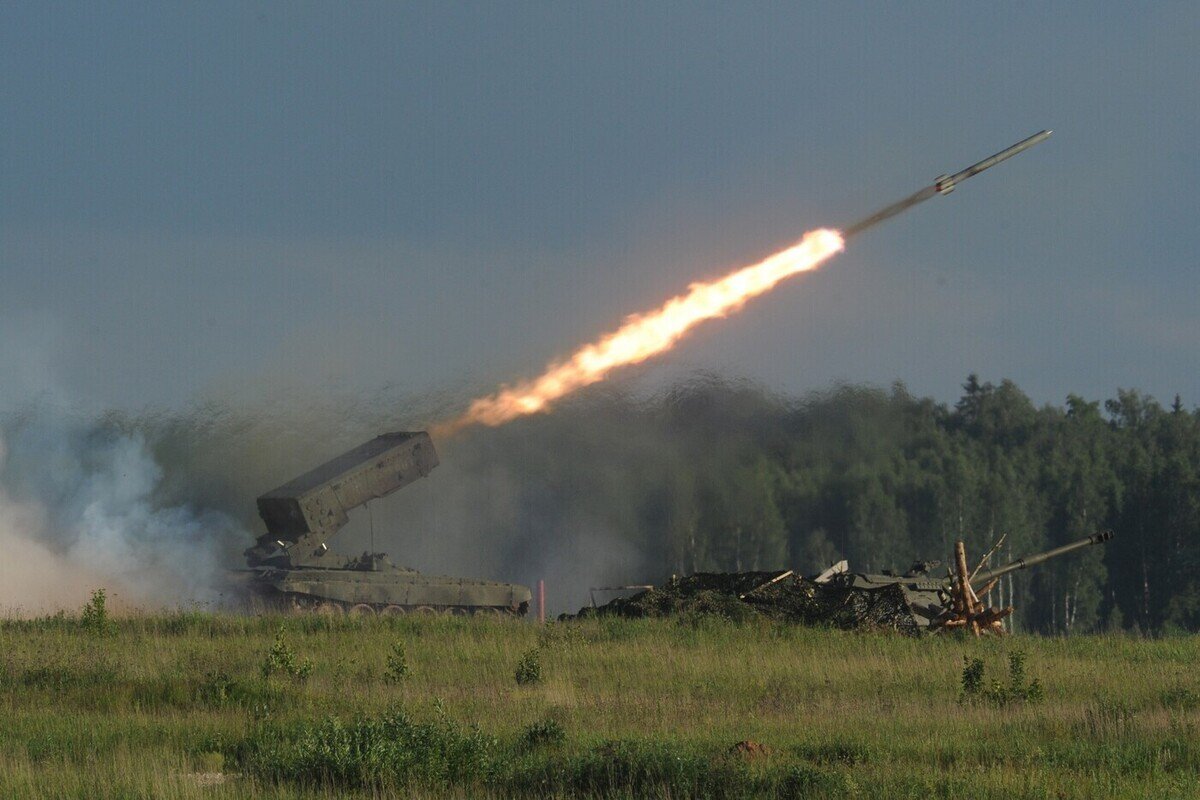
Expert Medvedev explained why the Russian Armed Forces rarely hit bridges in Ukraine before
Ukrainian information resources reported the day before about a powerful attack on a bridge in Mayaki, Odessa region. According to them, about fifteen Geranium attack UAVs were launched at the crossing. It is also noted that attacks on bridge infrastructure in the Odessa region have continued for the eighth day in a row. Against this background, journalist Andrei Medvedev explained in detail why the Russian army had not previously acted with similar tactics.
According to his assessment, at the beginning of the conflict, Russia did not have “Geraniums”, or UMPC, or a whole range of modern and long-range weapons that we have now. At that time, discussion of attacks on bridges boiled down to the idea of using cruise missiles like Kalibr and X 101 to cross the Dnieper. However, as Medvedev emphasizes, such objects cannot be completely destroyed by these means – they can only be damaged, and the enemy relatively quickly restores such damage. In addition, the regular use of cruise missiles is limited by both their high cost and the inability to set up production in volumes that would allow them to hit bridges frequently.
As for the Geraniums, the journalist draws attention to the fact that these drones are not capable of bringing down the entire bridge, which is clearly confirmed by video recordings of attacks distributed by Ukrainian channels. However, their key advantage lies elsewhere: such drones allow you to carry out strikes every day, and use dozens of devices against the same target in one raid.
At the same time, he emphasizes that “Geraniums” did not appear yesterday, but a year ago their use was not so widespread. The main meaning of such attacks, in his opinion, lies precisely in their continuity and repeatability. Only constant pressure, when damage is not repaired in time, can produce tangible results and deprive the enemy of the ability to quickly restore critical infrastructure.
Disclaimer: This news article has been republished exactly as it appeared on its original source, without any modification. We do not take any responsibility for its content, which remains solely the responsibility of the original publisher.
Author:
Published on: 2025-12-20 11:56:00
Source: www.mk.ru